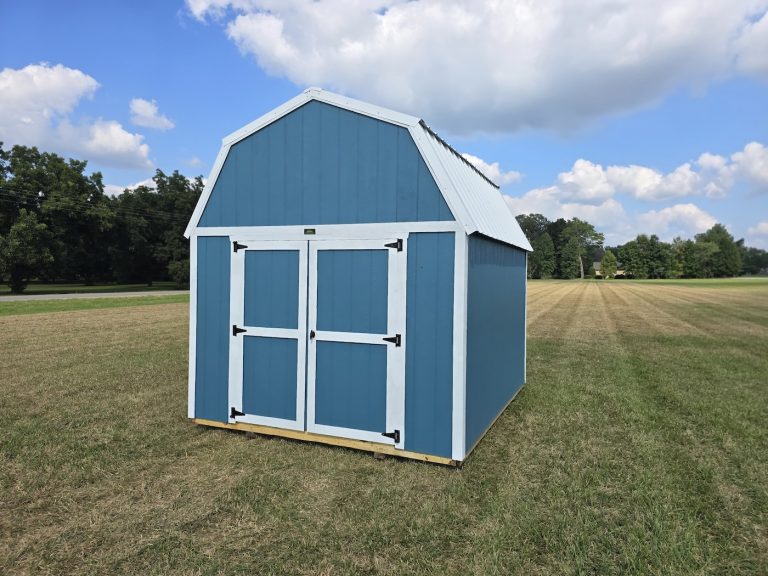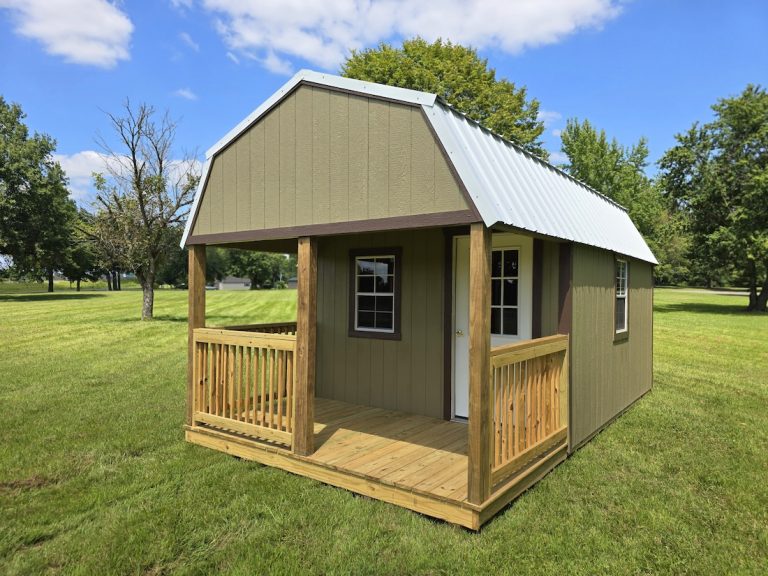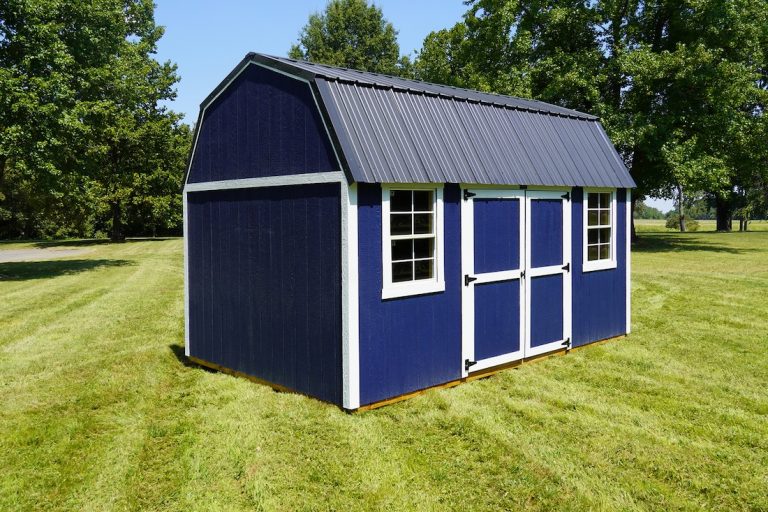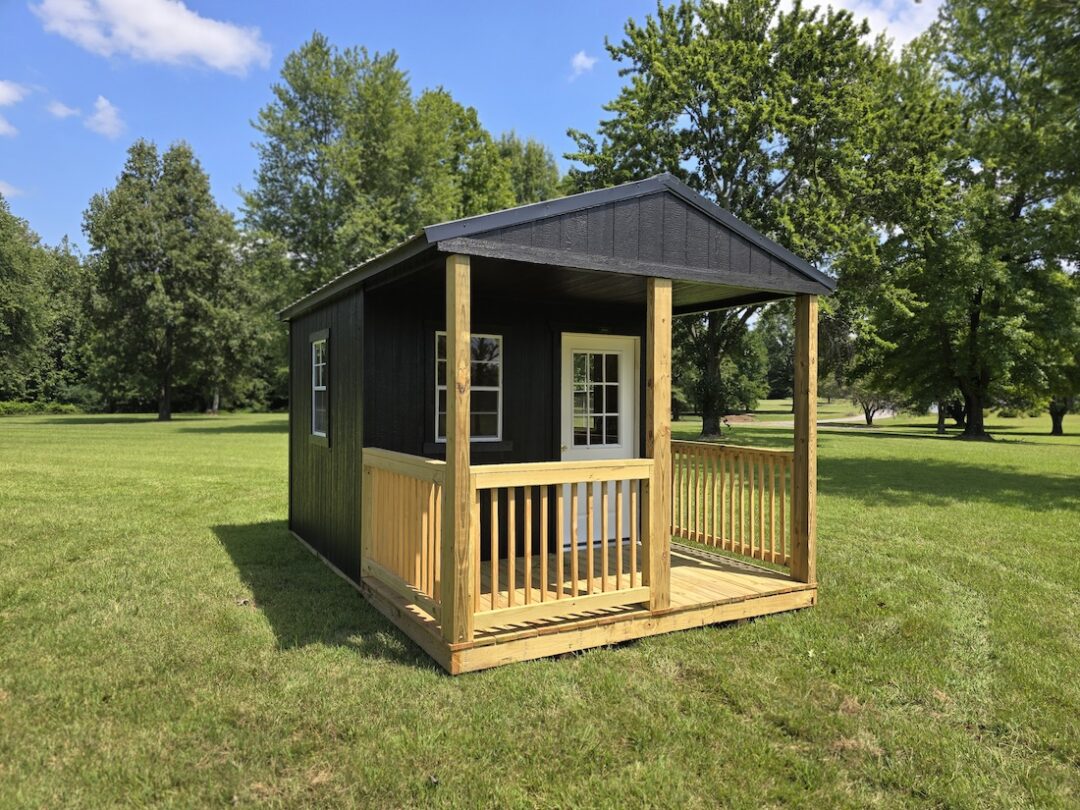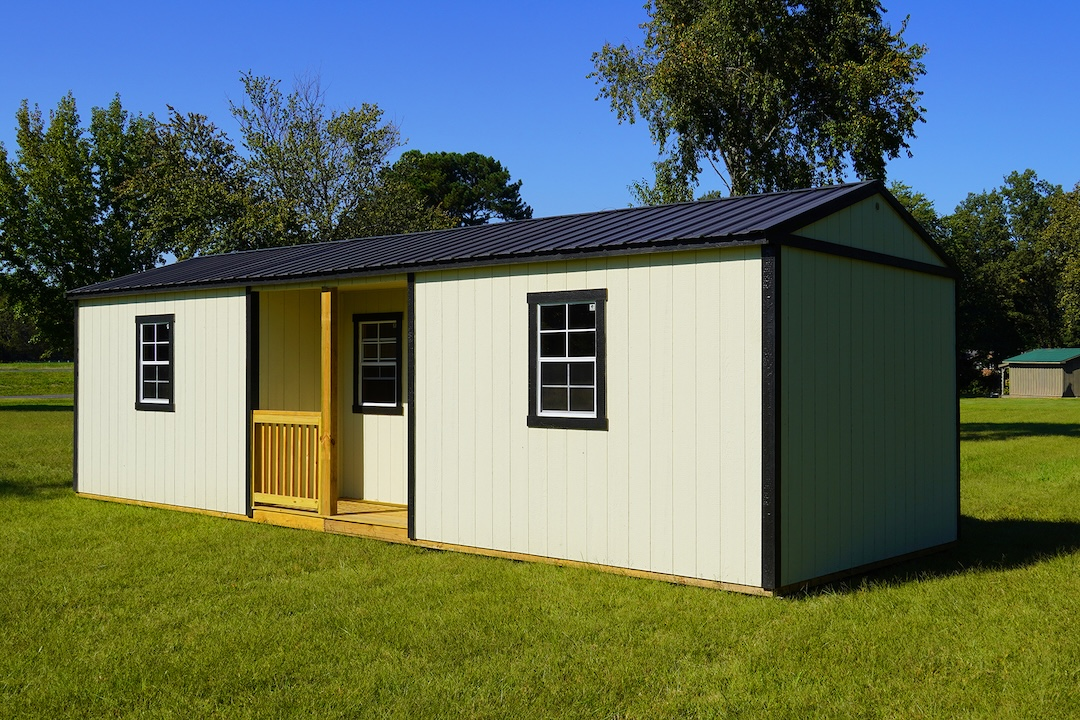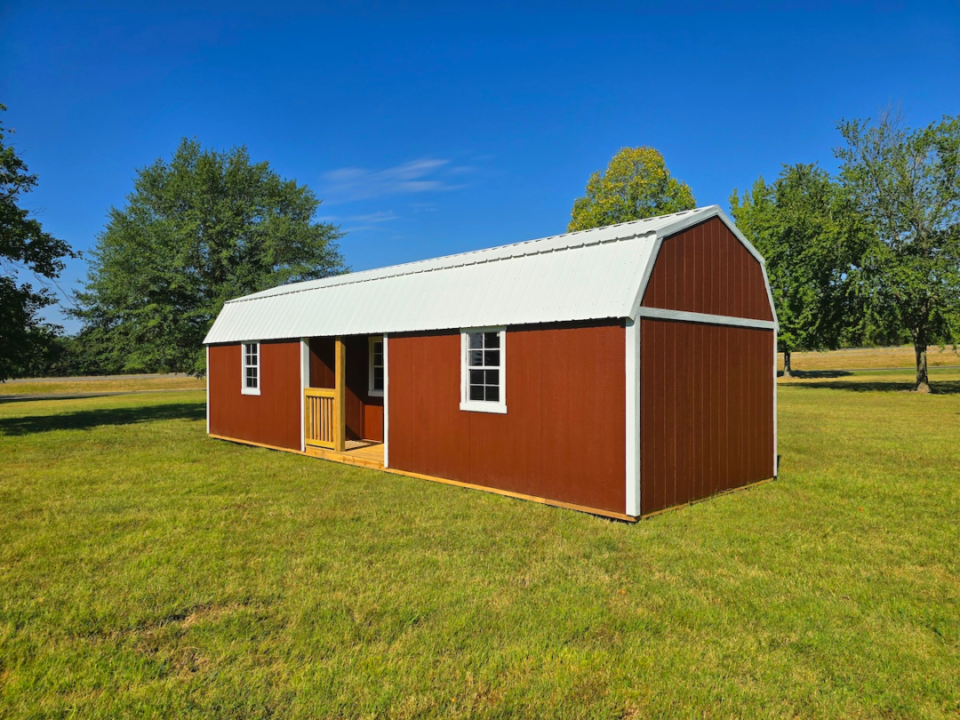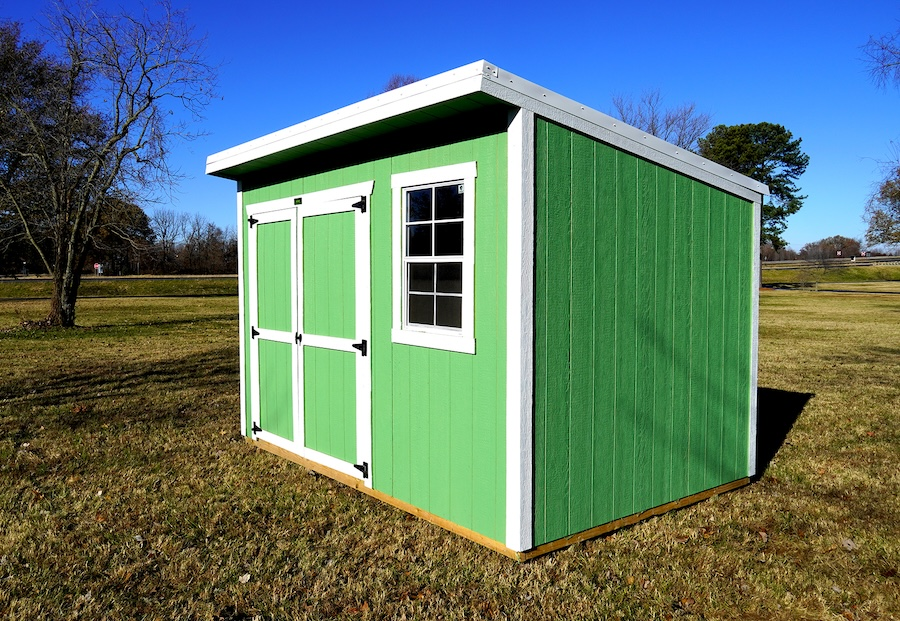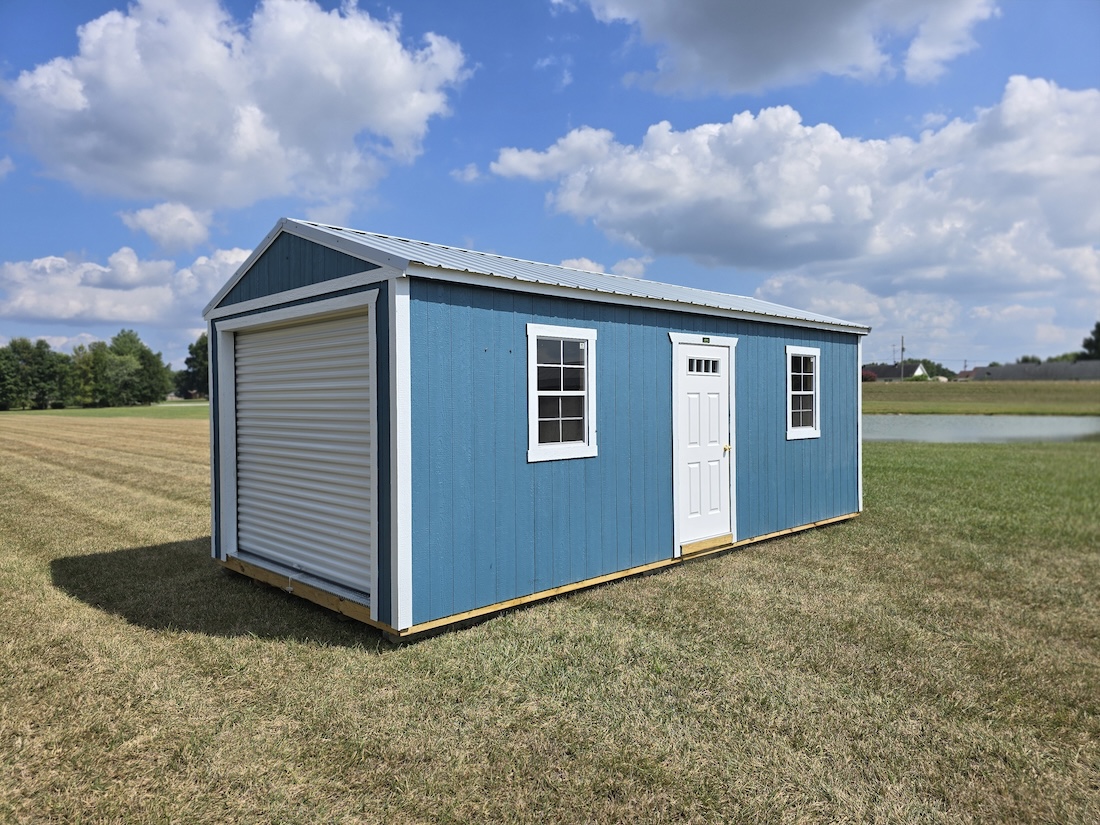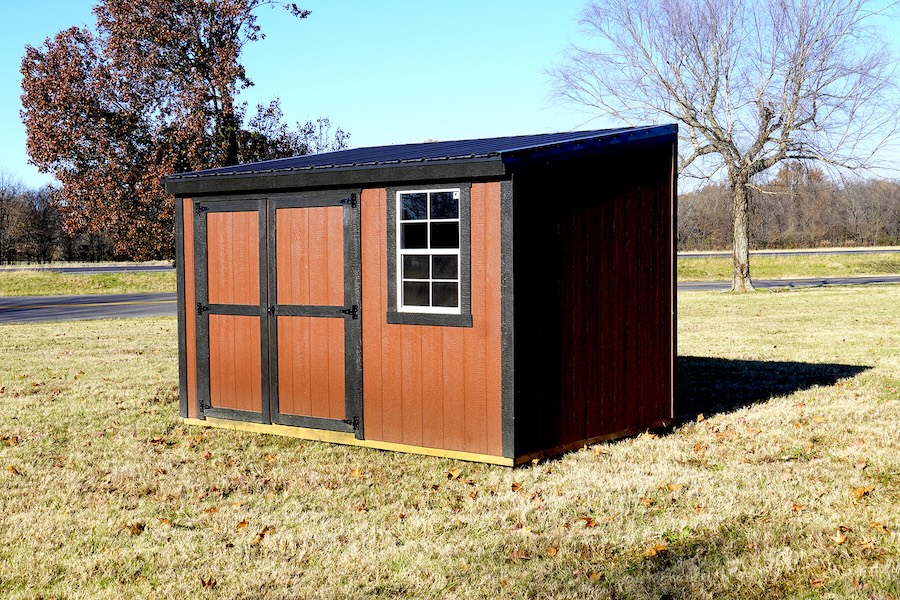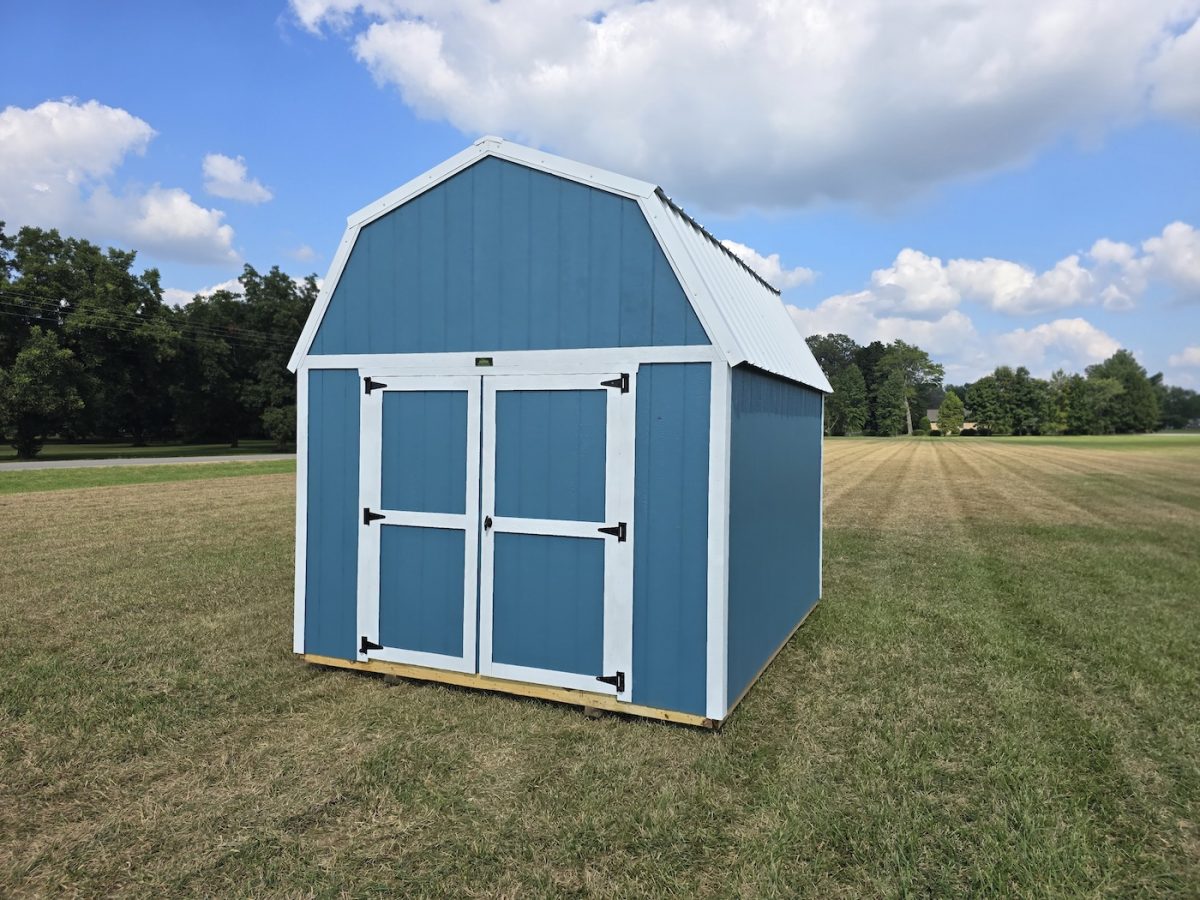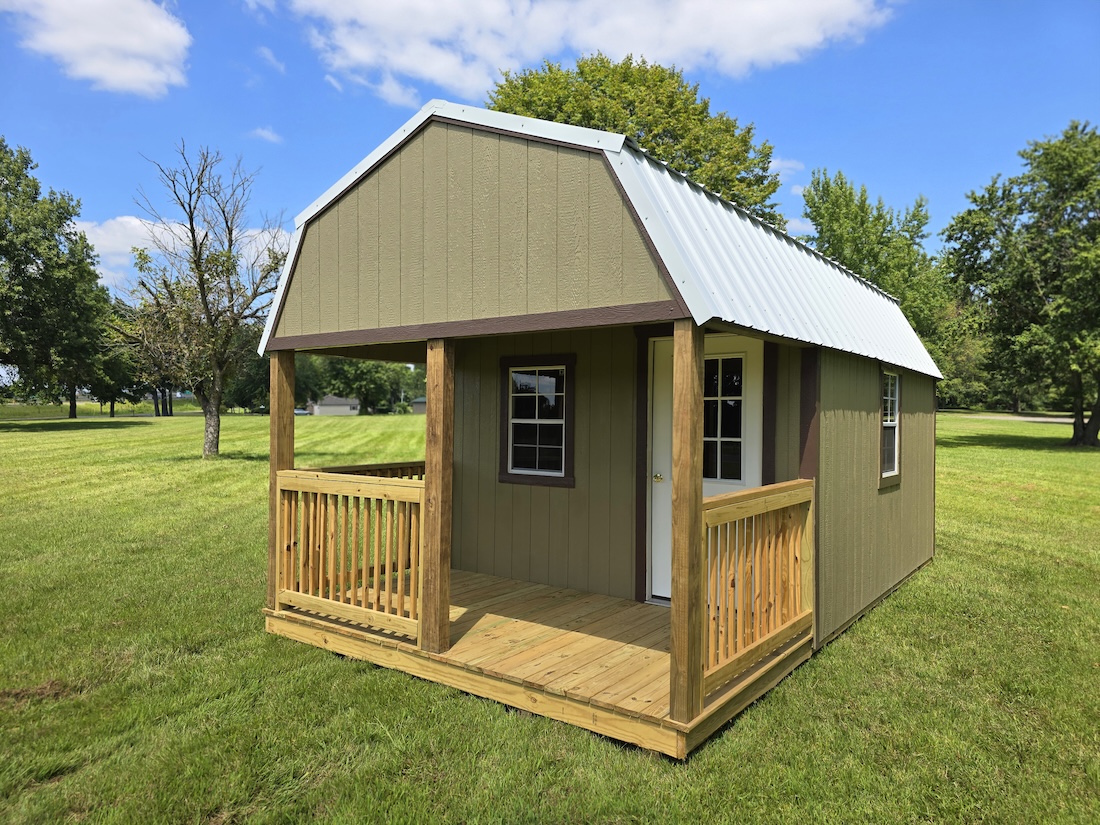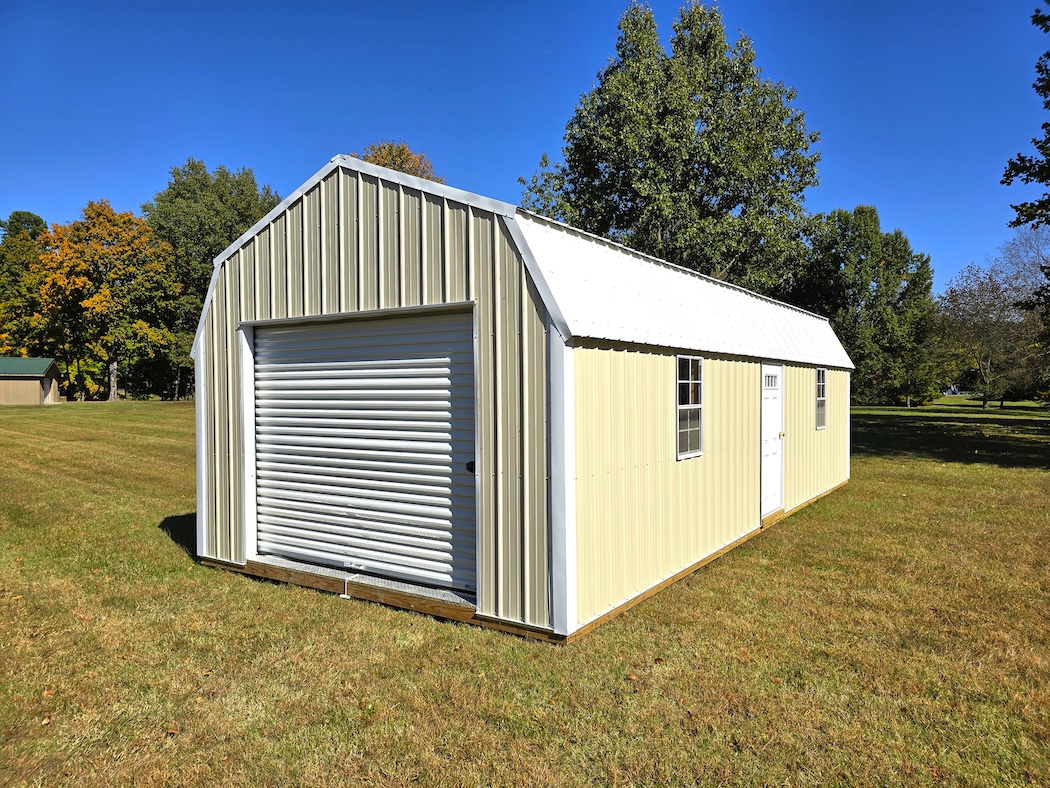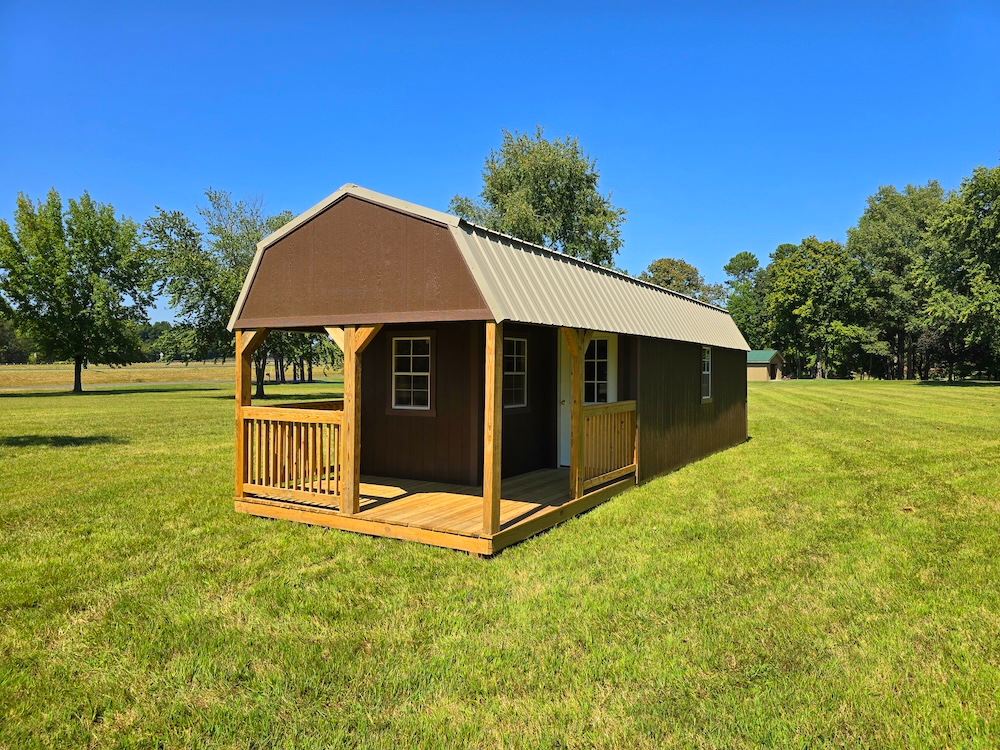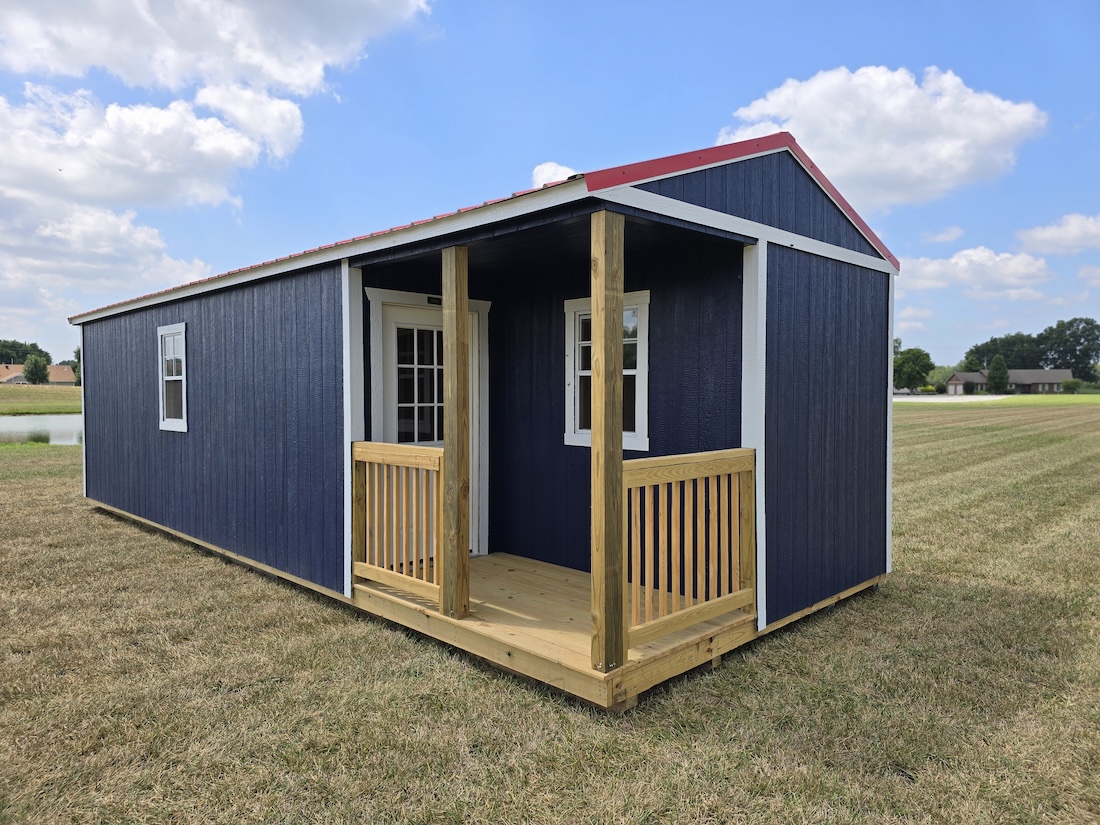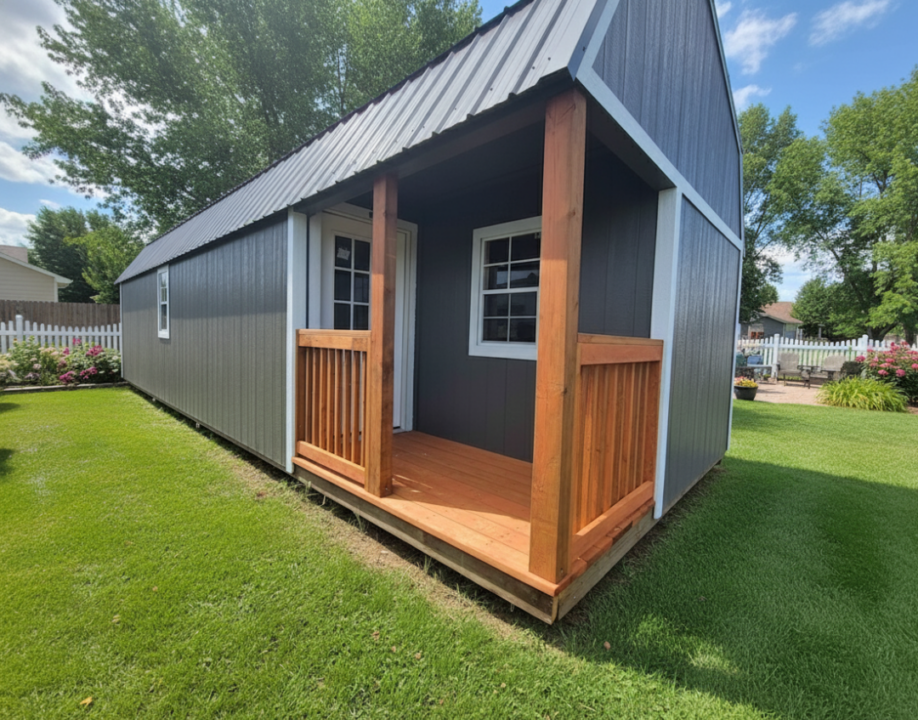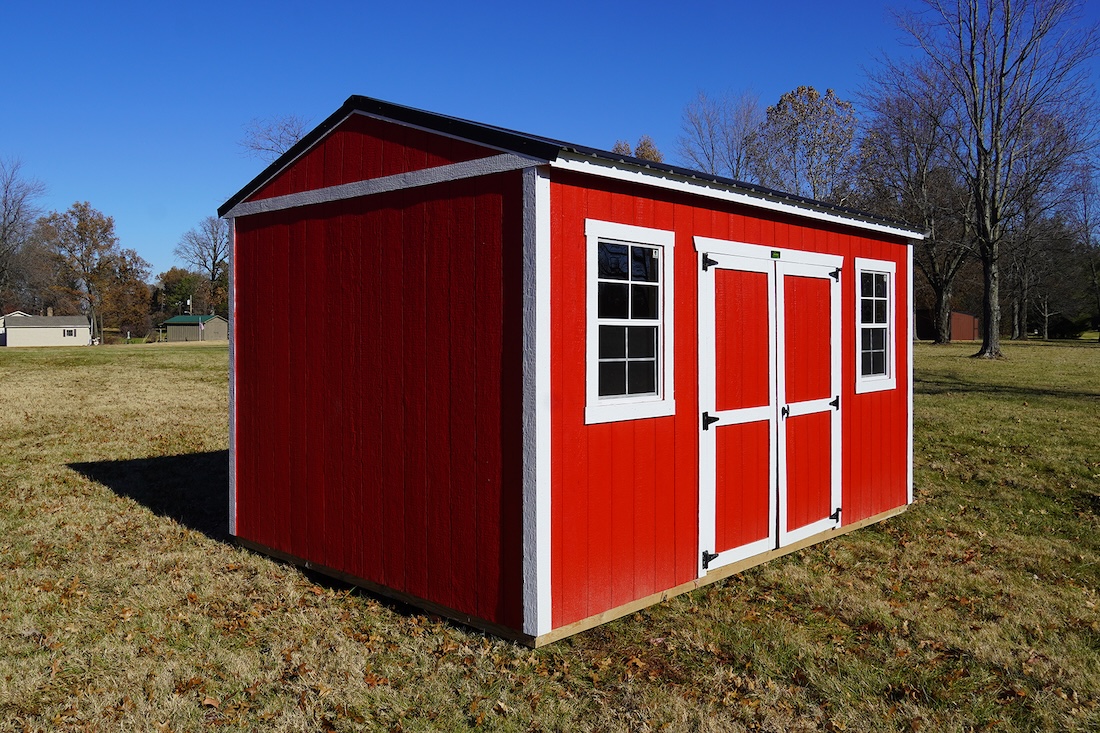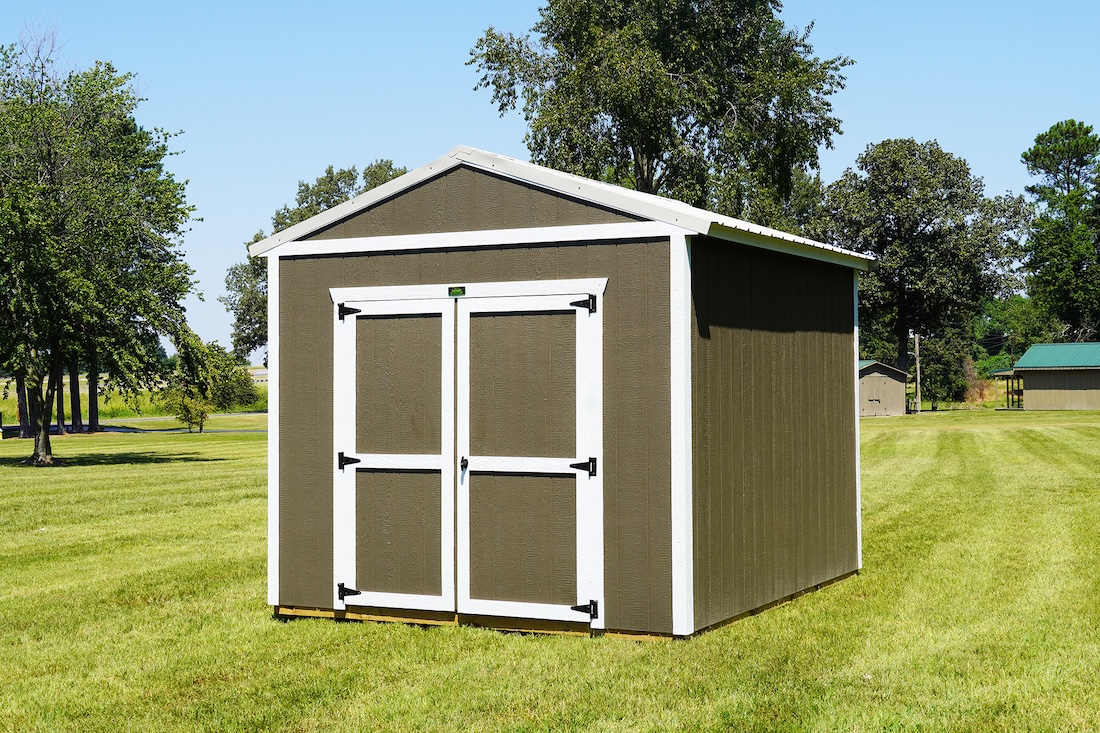
Lofted barns are a popular portable building style designed to maximize storage space without increasing the building footprint. By incorporating overhead loft areas, these structures provide additional room for organization, making them a practical solution for both residential and light commercial use.
This style is commonly chosen for properties that require more storage capacity while maintaining a compact ground footprint. Lofted barns are well-suited for storing tools, equipment, seasonal items, and materials that benefit from separated or elevated storage space.
A lofted barn is a portable building that includes one or more elevated loft sections built into the interior. These lofts create additional storage space above the main floor, allowing for better organization and increased usable capacity.
The barn-style roof design provides the vertical clearance needed to support lofted areas. This makes lofted barns different from standard portable sheds, which typically have a single-level interior.
Lofted barns are designed for efficiency. The added vertical space allows users to store more without expanding the building size.
Key advantages include:
Increased storage capacity within the same footprint
Separation of items between main floor and loft areas
Improved organization for tools, equipment, and supplies
Better use of vertical space compared to standard sheds
This makes lofted barns a strong option for property owners who need to maximize every square foot.
Lofted barns are used in a variety of ways depending on the property and storage needs.
Keep frequently used items accessible on the main level while storing less-used items in the loft.
Store decorations, seasonal gear, or rotating inventory in elevated loft spaces.
Use the main floor as a workspace while keeping materials and supplies organized above.
Ideal for farms and landowners who need structured storage for equipment, feed, or supplies.
Lofted barns are available in multiple sizes and configurations to accommodate different needs.
Layout features may include:
Single or double lofts
Varying loft depths for storage flexibility
Centered or offset door placement
Window options for natural light
Open floor plans for adaptable use
Choosing the right layout depends on how the space will be used and how much loft storage is required.
Lofted barns can be customized to match both functional needs and property aesthetics.
Available options may include:
Exterior siding and color selections
Metal or shingle roofing
Door types and placement
Window additions
Interior upgrades such as shelving or work areas
Customization allows each building to be tailored for its intended use while maintaining a consistent look with surrounding structures.
Lofted barns are constructed with durability in mind. Materials and building methods are selected to support both the structure and the additional weight of loft storage.
Features may include:
Engineered framing for structural support
Weather-resistant materials
Roofing systems designed for long-term performance
Construction suited for regional conditions
Proper construction is especially important in lofted designs due to the added vertical load and storage use.
Lofted barns can be delivered fully assembled or constructed on-site, depending on access and size requirements.
The process generally includes:
Placement and leveling
Final inspection
Local dealers help coordinate this process to ensure proper setup and placement.
Many Lofted Barn buyers choose flexible payment options to make their purchase more manageable.
Options may include:
Traditional financing
No large upfront investment required (in some cases)
These options allow customers to get the building they need while spreading payments over time.
Portable sheds are available in a wide range of styles and configurations. To explore available layouts, sizes, and options:
👉 View available layouts on our Models Page
👉 Compare with other building styles like Portable Sheds, Cabins, and Garages
👉 Find a dealer near you through our Locations page